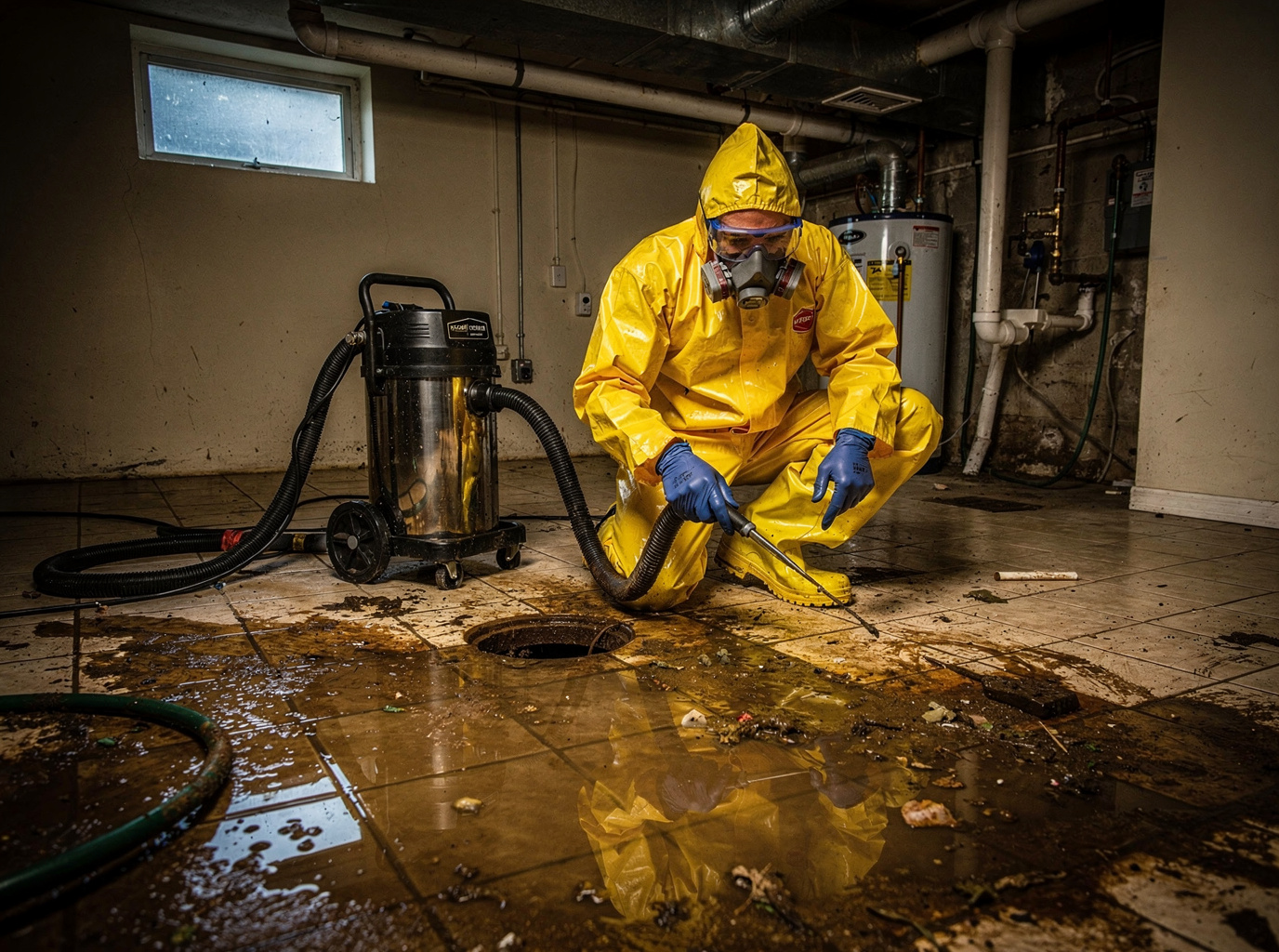
Pflugerville sits northeast of downtown Austin, and its mix of newer subdivisions off Pecan Street and older pockets near FM 685 each bring their own water problems. Slab foundations poured over the last two decades, combined with the area's clay-heavy soil, mean drainage around the foundation can push water toward the house fast during a heavy downpour. We've pulled up carpet pad in homes near Lake Pflugerville where a slow supply line leak went unnoticed for weeks because the slab hid the moisture until it hit the baseboards.
Because a lot of Pflugerville's housing stock is post-2000 production-built, you get a lot of shared roof lines, tight lot setbacks, and HVAC closets tucked into hallways — all of which change how we access and dry a space after a leak or overflow. Subdivisions near Stone Hill Town Center and Heritage Park often have similar floor plans, so we know where the water tends to travel once it gets under flooring or behind drywall, which speeds up both inspection and the drying plan.
Summers here run hot and humid, which is exactly the environment mold needs once water sits for more than a day or two, and mild winters don't offer much of a dry-out break. We run 24/7 so a burst pipe overnight near Pflugerville High School or a monsoon-season flash flood near a Lake Pflugerville-adjacent property gets a same-day response instead of sitting until morning.
Around Pflugerville
We regularly work near:
- 📍Lake Pflugerville
- 📍Pfluger Park
- 📍Stone Hill Town Center
- 📍Heritage Park
- 📍Typhoon Texas Waterpark
- 📍Pflugerville High School
Water Damage Repair in Pflugerville — Local Notes
- •Slab foundations common throughout Pflugerville mean leaks often show up as a wet spot far from the actual source, so we trace the plumbing line before opening walls or flooring
- •Newer subdivisions with shared drainage easements near retention ponds can back up during heavy spring storms, pushing water toward garages and back patios faster than older, more established neighborhoods
- •Hot, humid summers accelerate mold growth once materials stay wet more than 24-48 hours, so fast extraction and commercial dehumidification matter more here than in drier climates
- •Many homes have HVAC and water heaters located in attic spaces or interior closets, which changes both the drying approach and how we protect ceilings during extraction