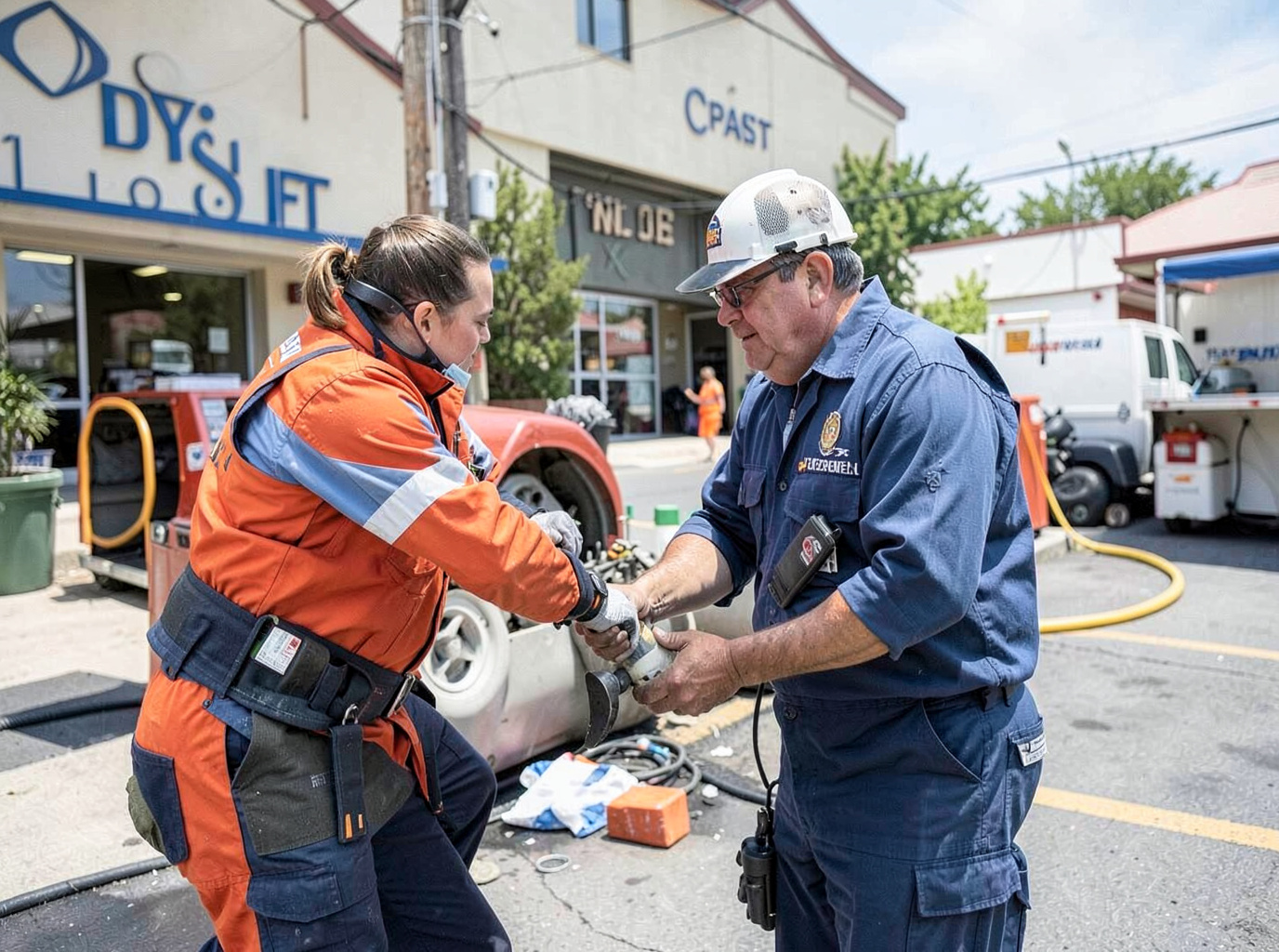
When a pipe bursts in a Clarksville bungalow or a supply line fails in a Mueller condo, the first two hours decide whether you're dealing with a wet carpet or a subfloor replacement. We run truck-mounted extraction units that pull standing water out far faster than shop vacs or rented equipment, and we're set up to dispatch around the clock because Austin's older housing stock — a lot of it built before modern plumbing codes were tightened — tends to fail at night after temperature swings stress old joints and fittings.
There's a real difference between clean water, gray water, and black water, and it changes everything about how we handle a job. A supply line break is category 1 and relatively low risk if we get to it fast. A slow leak that's been sitting for days, or anything involving a sewer backup near Lady Bird Lake's older infrastructure zones, moves into category 2 or 3 territory — that means different PPE, different disposal rules for contaminated materials, and often removal of drywall a foot above the visible waterline because wicking travels further than it looks. Skipping that step is the single biggest reason mold shows up three weeks later.
Austin's climate works against you here. Hot, humid summers mean drying equipment has to fight ambient moisture in the air itself, not just the water in your materials, so we adjust dehumidifier sizing and airflow patterns accordingly. In older homes around Hyde Park and Travis Heights, we frequently find plaster-and-lath walls or original hardwood floors that need slower, monitored drying instead of aggressive heat, because rushing it can warp or crack materials that took decades to season. We use moisture meters at multiple depths, not just surface readings, before calling any area dry.
Flooding tied to heavy spring rain runoff near Barton Creek, Zilker, or Barton Hills brings its own edge case: floodwater from outside the structure is automatically treated as contaminated, regardless of how clear it looks, because it's picked up soil, runoff chemicals, and debris on its way in. That triggers a different insurance documentation path and usually means more material removal than an interior pipe failure would.
Emergency Water Removal Services We Offer
✓Standing Water Extraction
Truck-mounted pumps and extraction units remove bulk water fast, minimizing how far it wicks into flooring, drywall, and subfloor.
✓Structural Drying & Dehumidification
Commercial air movers and dehumidifiers sized for Austin's humidity get materials to a verified dry standard instead of just surface-dry.
✓Flood Damage Repair
Repair and rebuild for homes hit by creek or storm runoff flooding, including contaminated material removal and documentation for insurance.
✓Sewage Backup Cleanup
Category 3 water cleanup with proper containment and disposal for sewer backups, handled to reduce health risk to occupants.
✓Basement & Crawlspace Water Removal
Extraction and drying for crawlspaces common in older Austin foundations, where trapped moisture is easy to miss without a moisture meter.
✓Emergency Board-Up & Water Mitigation
Temporary containment to stop water intrusion from a broken window, roof leak, or storm damage while repairs are arranged.
✓Moisture Detection & Monitoring
Multi-depth moisture readings track drying progress so materials aren't reopened, or closed up, too early.
✓Commercial Water Extraction
Fast-response extraction for offices and retail spaces around Downtown and South Congress, scheduled to limit business closure time.
Emergency Water Removal Cost in Austin, TX
| Service | Typical Range | What Affects It |
|---|---|---|
| Emergency Dispatch & Assessment | $0–$200 | Often credited toward the job if you move forward |
| Standing Water Extraction (per room) | $150–$500 | Depends on water depth and flooring type |
| Structural Drying Setup | $300–$1,200 | Varies with square footage and number of drying days needed |
| Sewage/Black Water Cleanup | $500–$3,000+ | Category 3 water requires more containment and disposal |
| Flood Damage Repair (drywall/flooring) | $1,000–$6,000+ | Scope depends on how far water traveled and materials affected |
Ranges are typical for Austin, TX and confirmed with an exact written quote before any work starts.
How it works
- 1
Emergency Call & Dispatch
We take the call 24/7 and get a crew moving, asking a few quick questions about the water source so we bring the right equipment.
- 2
Assessment & Water Categorization
On arrival we identify clean, gray, or black water and check how far it's traveled into walls and flooring before starting extraction.
- 3
Extraction
Truck-mounted units remove standing water, followed by targeted extraction from carpet pads and other saturated materials.
- 4
Drying & Monitoring
Air movers and dehumidifiers go in, and we track moisture levels daily until materials hit a verified dry reading.
- 5
Repair & Documentation
We handle repairs or rebuild as needed and provide documentation useful for insurance claims.
Pricing
Upfront quotes before work starts; emergency response pricing depends on water category, square footage, and how much material needs removal.